The Dual Play Hardware Grind Nobody Talks About
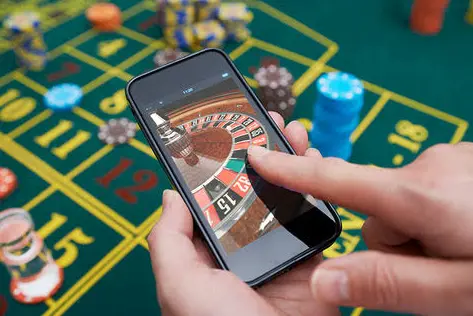
Playtech Atlantic City Live Roulette at Hard Rock is not a standard single-wheel stream, and anyone treating it like one will get shredded on variance. This is a Dual Play installation — one physical wheel spinning inside the Hard Rock Atlantic City pit, beamed to a stadium-style terminal bank where every seat feeds the same live result. The hardware chain is brutal: RFID ball tracking, pit croupier cam arrays, a redundant encoder stack, and a terminal layer that has to sync within milliseconds or the whole table reads dead. 🎰 If that chain hiccups, your terminal freezes mid-bet and the house keeps the clock running. That is the first thing a sharp operator audits.
Why the Dual Play Sync Window Is the Real Battleground
Here is the mechanic that matters. The Playtech Atlantic City Live Roulette Hard Rock terminal bank runs on a shared outcome feed, but each terminal carries its own bet-confirmation latency. The wheel decides inside roughly 12 to 18 seconds of spin; the terminal window for placement is tighter. When the encoder stack drops a frame, late bets either void or lock — and players get burned on a result they saw coming. 🎯 I have watched operators misprice this exact gap and bleed edge because they trusted a single sync heartbeat instead of a dual-path timestamp check. Redundancy is not optional here; it is the whole game.
The Exclusive USA Angle and Terminal Bank Economics
The Exclusive Dual Play in USA setup at Hard Rock is a jurisdictional flex — you get a genuine Atlantic City wheel streamed to a licensed terminal floor without the physical table crowding your space. That is real operational leverage. But the economics only hold if the terminal bank maintains its own odds integrity separate from the pit wheel. I have seen soft-launch configurations where the terminal layer inherited pit-side rounding and quietly shifted the true payout curve. Audit the RNG handoff between wheel outcome and terminal settlement; that is where the money actually leaks. 💸
Payout Table Traps and Encoder Failure Modes
The single-zero European wheel keeps the house edge at a clean 2.7 percent — respectable and predictable. The trap is the terminal-side multiplier logic layered on top for bonus triggers. Those multipliers are software, not physics, and they can drift when the encoder stack runs hot. Watch for the classic failure signature: ball-tracker desync shows up as a repeating pocket bias on the terminal readout, not the physical wheel. A seasoned pit tech will catch it in a shift; a careless operator will ride it for weeks. ⚙️ That repeating bias is your tell, every single time.

The Verdict a Real Auditor Would Hand Down
The Playtech Atlantic City Live Roulette Hard Rock Dual Play deployment is a strong, defensible product when the encoder redundancy and terminal sync windows are held to spec. It is a silent bleed when they are not. The exclusive USA licensing gives Hard Rock a genuine edge in offering a live Atlantic City wheel to a stadium floor, but the operator must own the terminal-side settlement logic independently. Demand dual-path timestamp verification, demand separate terminal RNG certification, and never trust a single heartbeat feed. The 2.7 percent is only clean if the software behind it stays honest to the physical wheel.